Scanning Negatives with a Fujifilm Frontier SP3000
The process of converting negatives into digital images is a complicated one.
During my compartively short time as a film photographer, I’ve gone through a fair chunk of the different options. I’ve let the lab develop and scan some rolls, I’ve developed them myself at a home and scanned them using my phone, a flatbed scanner and a camera + macro lens. Each has its trade-offs.
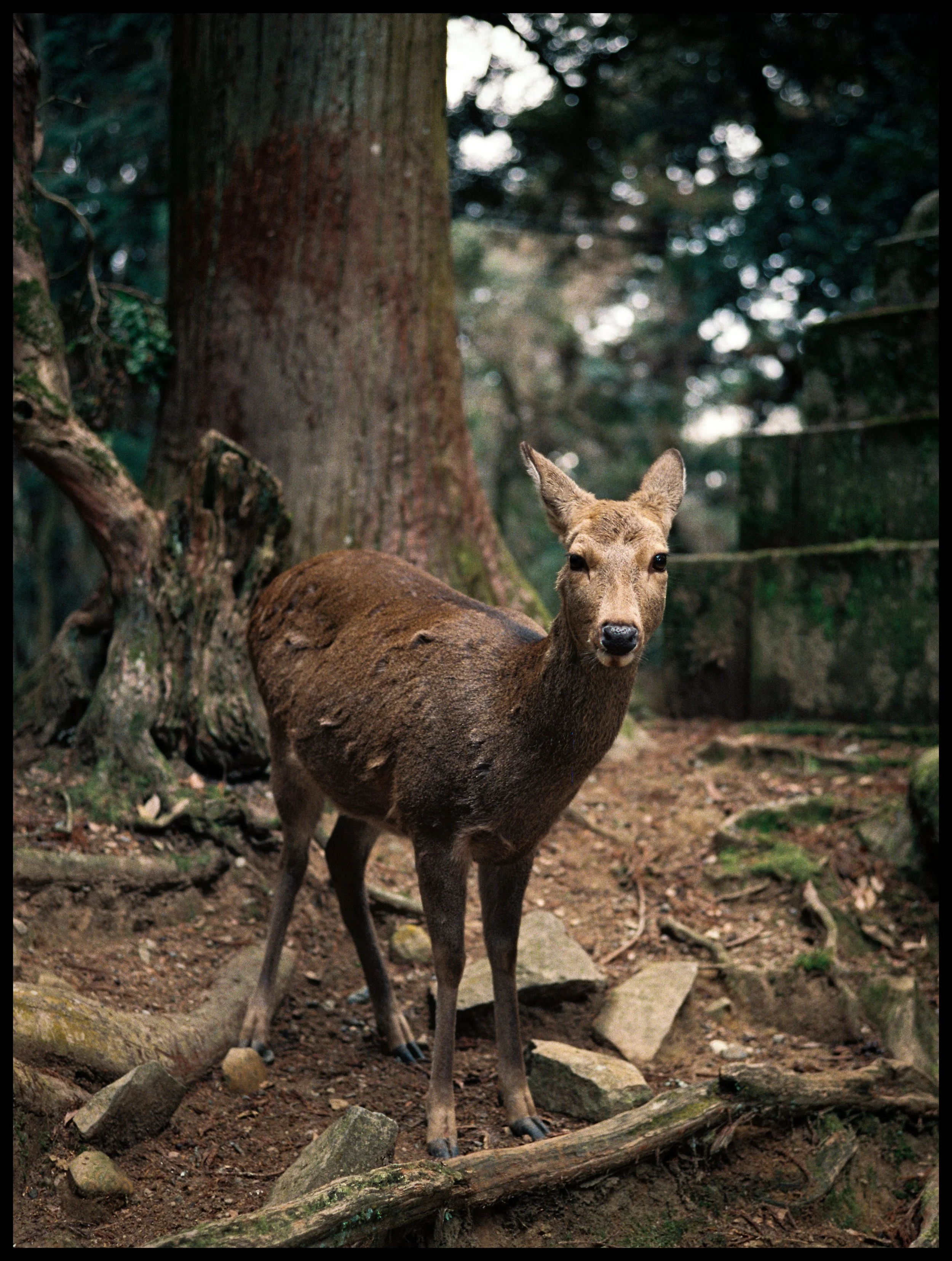
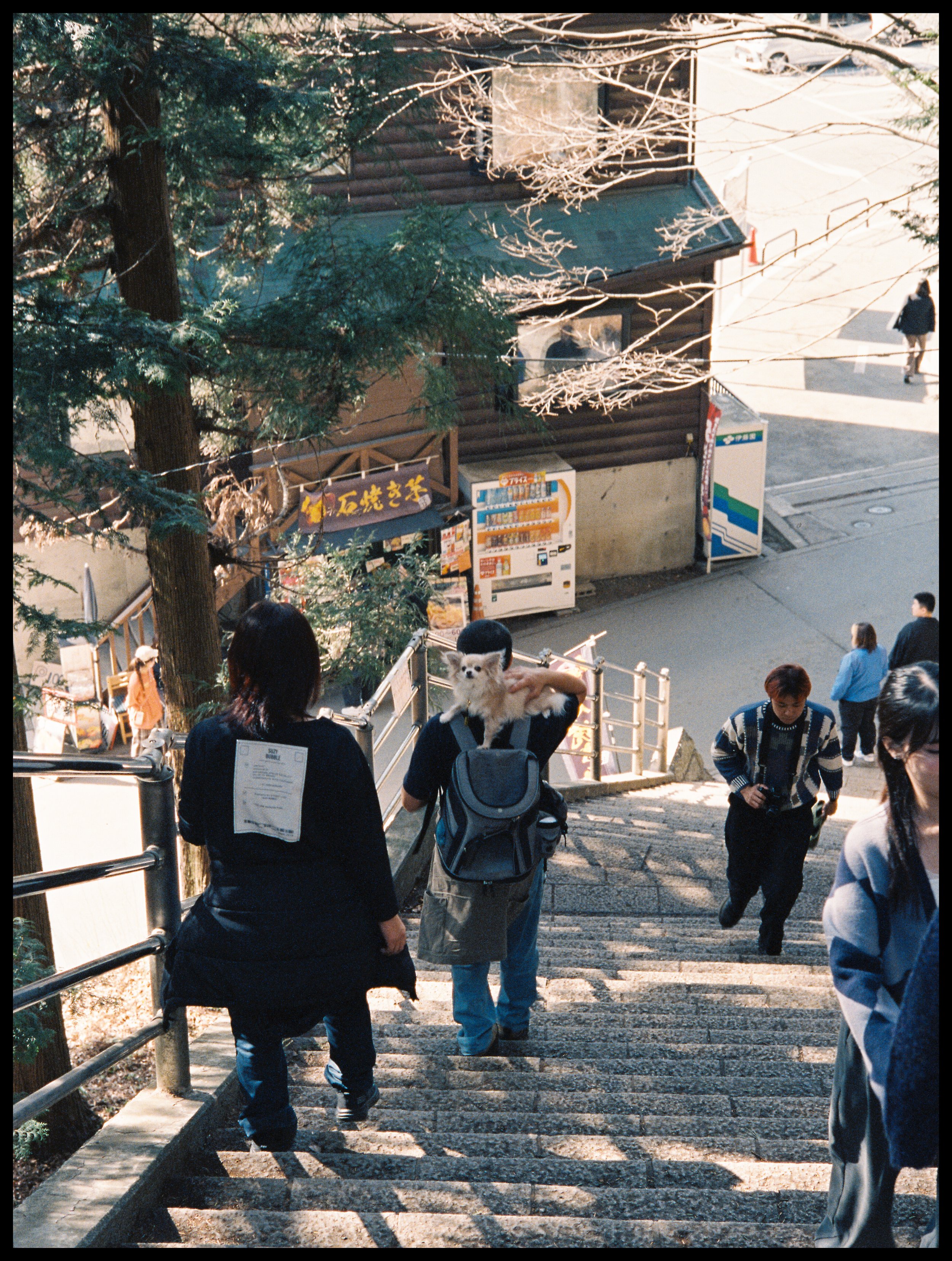
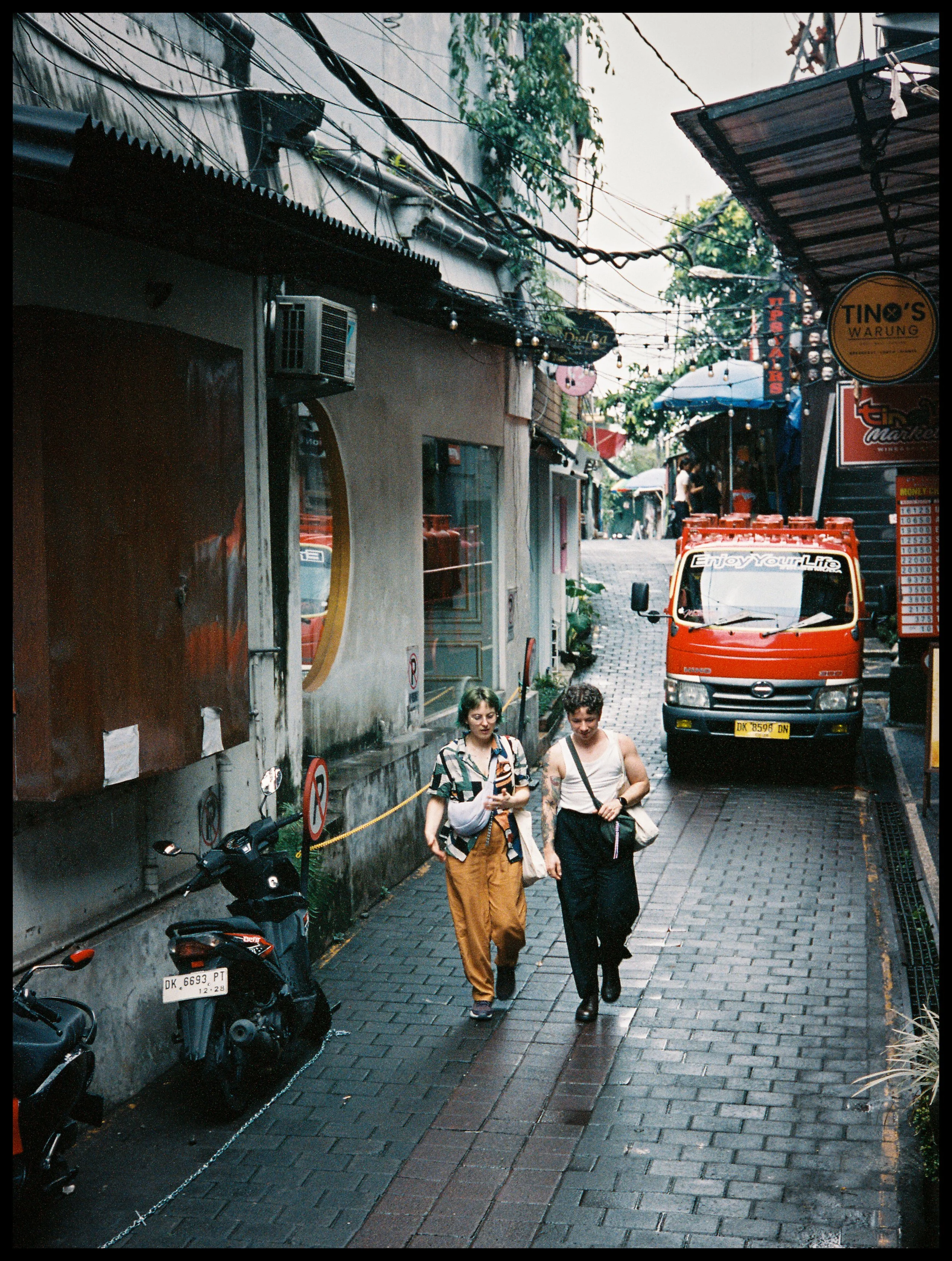
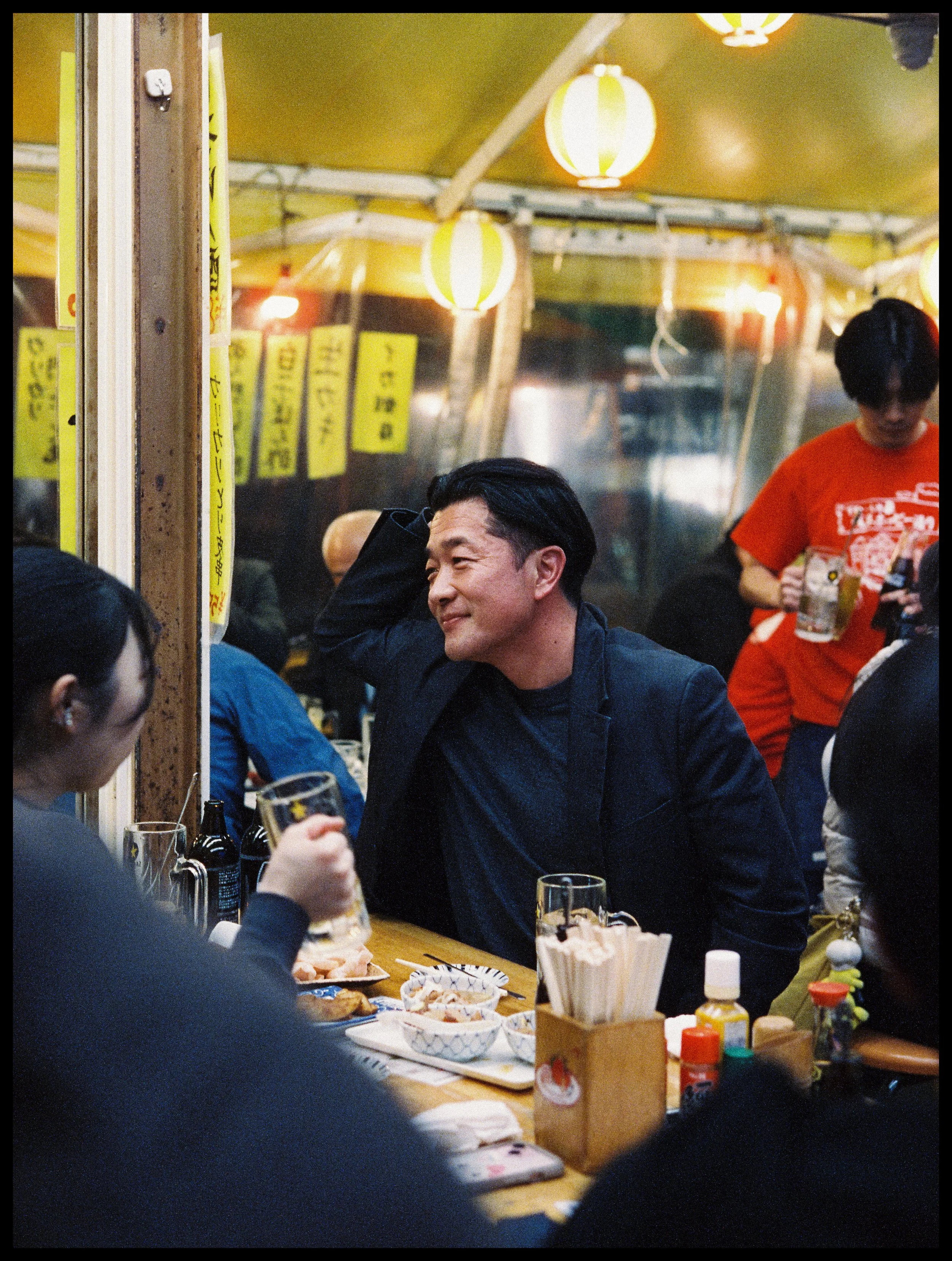
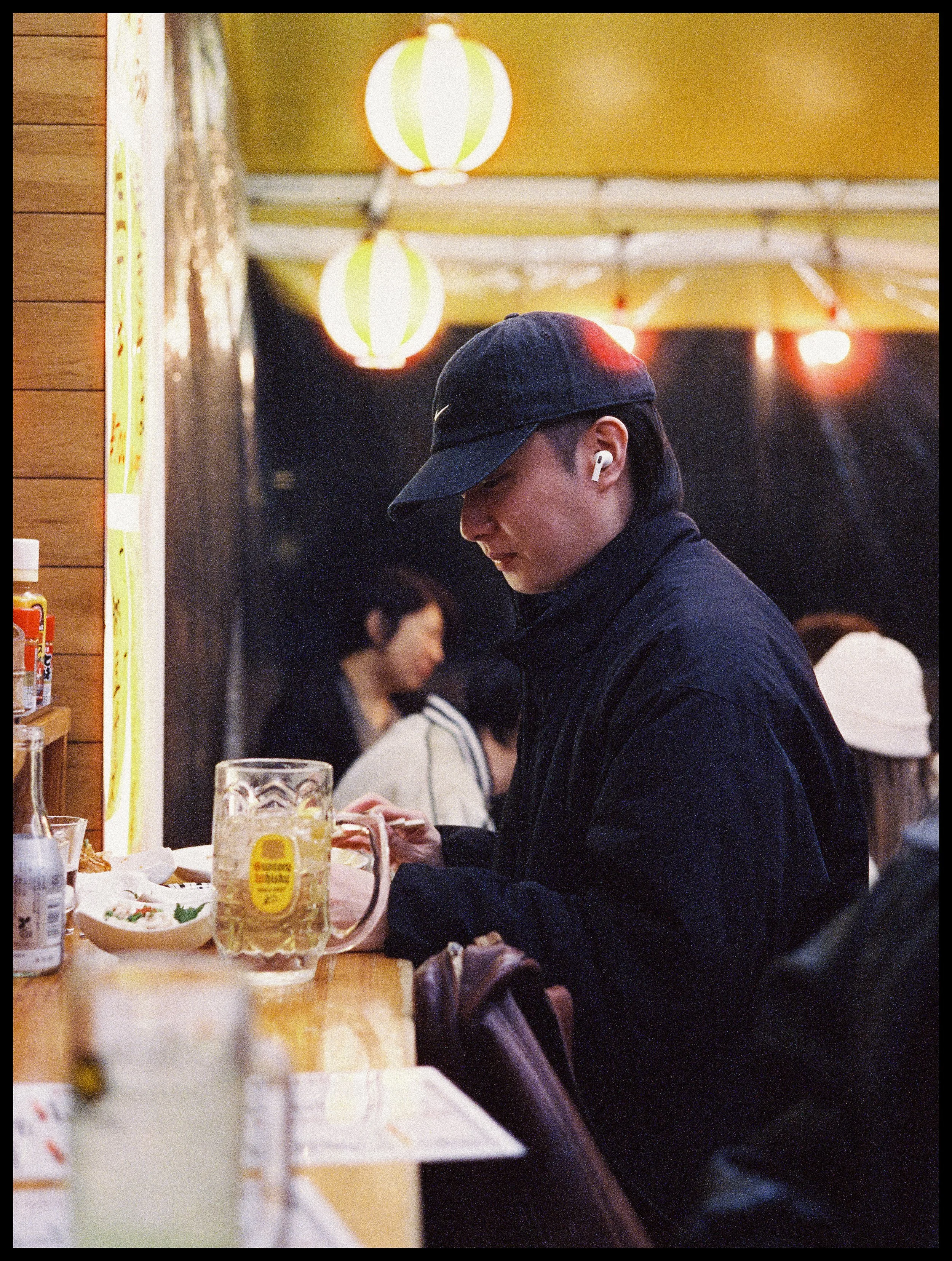
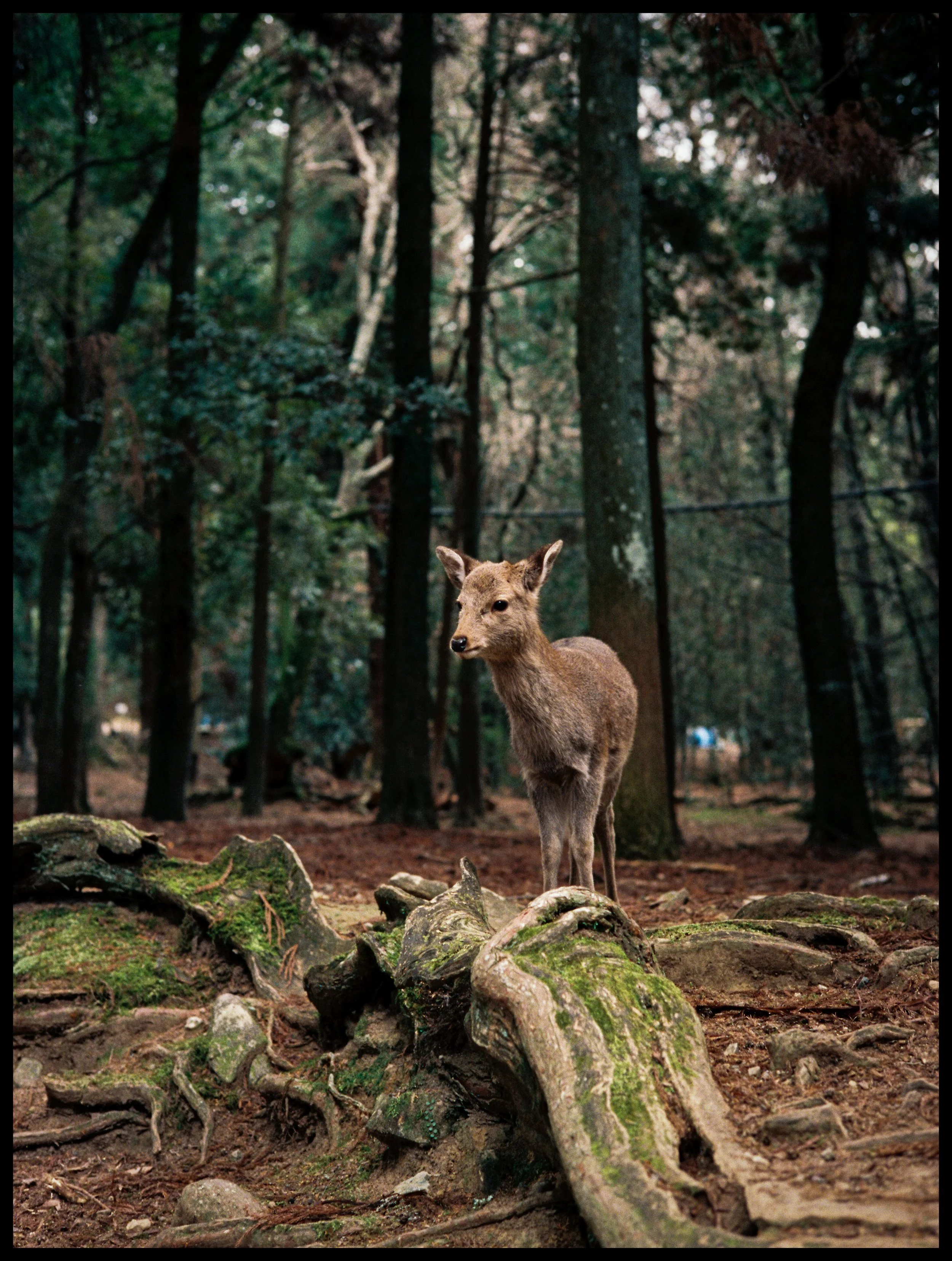
Nara Deer, shot on Lecia M6 with unknown Eastman Kodak film (likely Mr. Negative)
Self-developing is a lot of fun, but unless you’re shooting a lot of rolls, chemicals will deteriorate in storage and the cost benefit analysis starts to look a little dire.
Scanning at home has its merits, but personally I find it a bit tedious, and despite having a decent camera and macro lens, I feel like I’m losing some fidelity.
I could go on and on about the pros and cons of different methods, but I’ll cut to the chase.
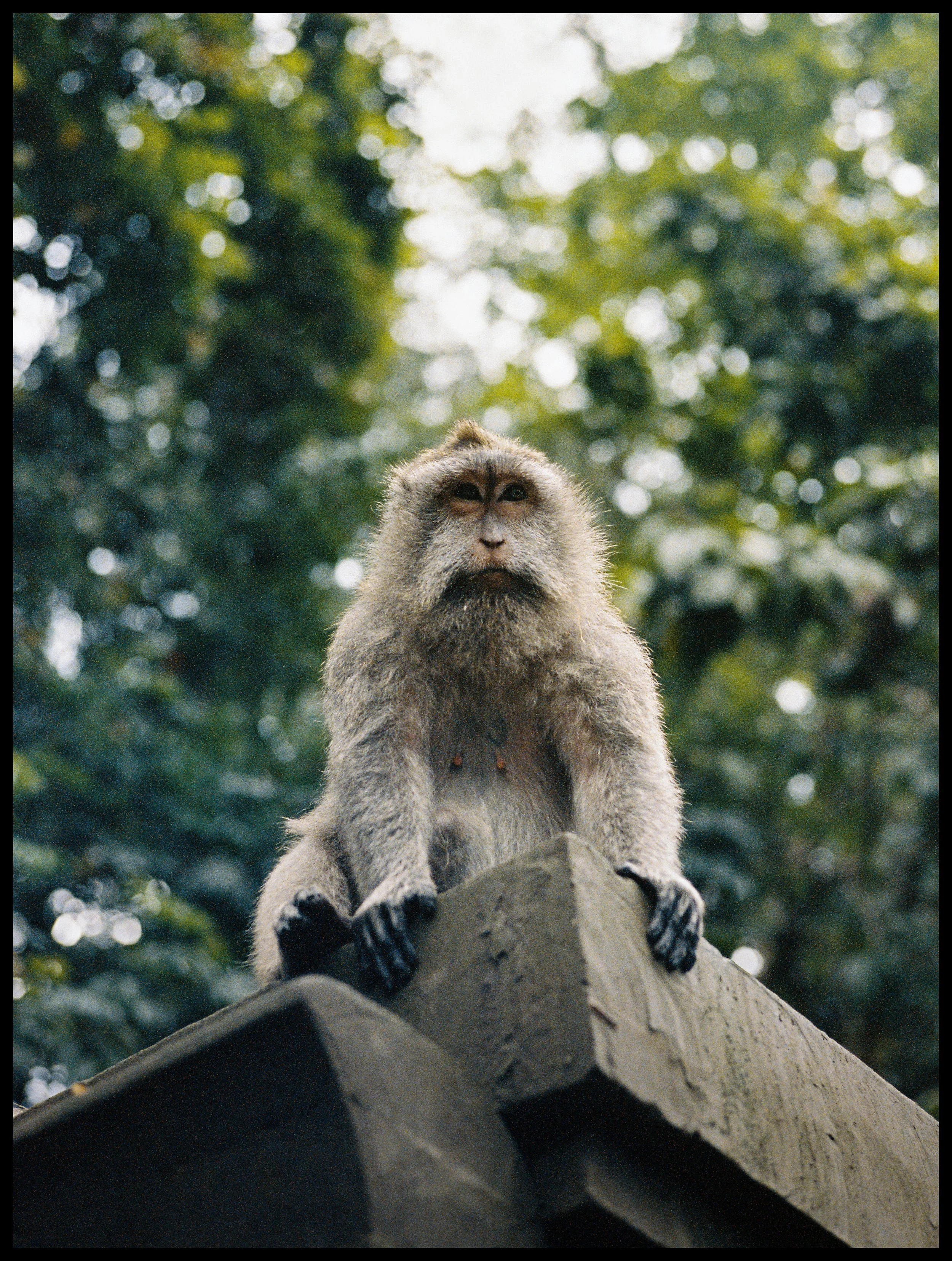
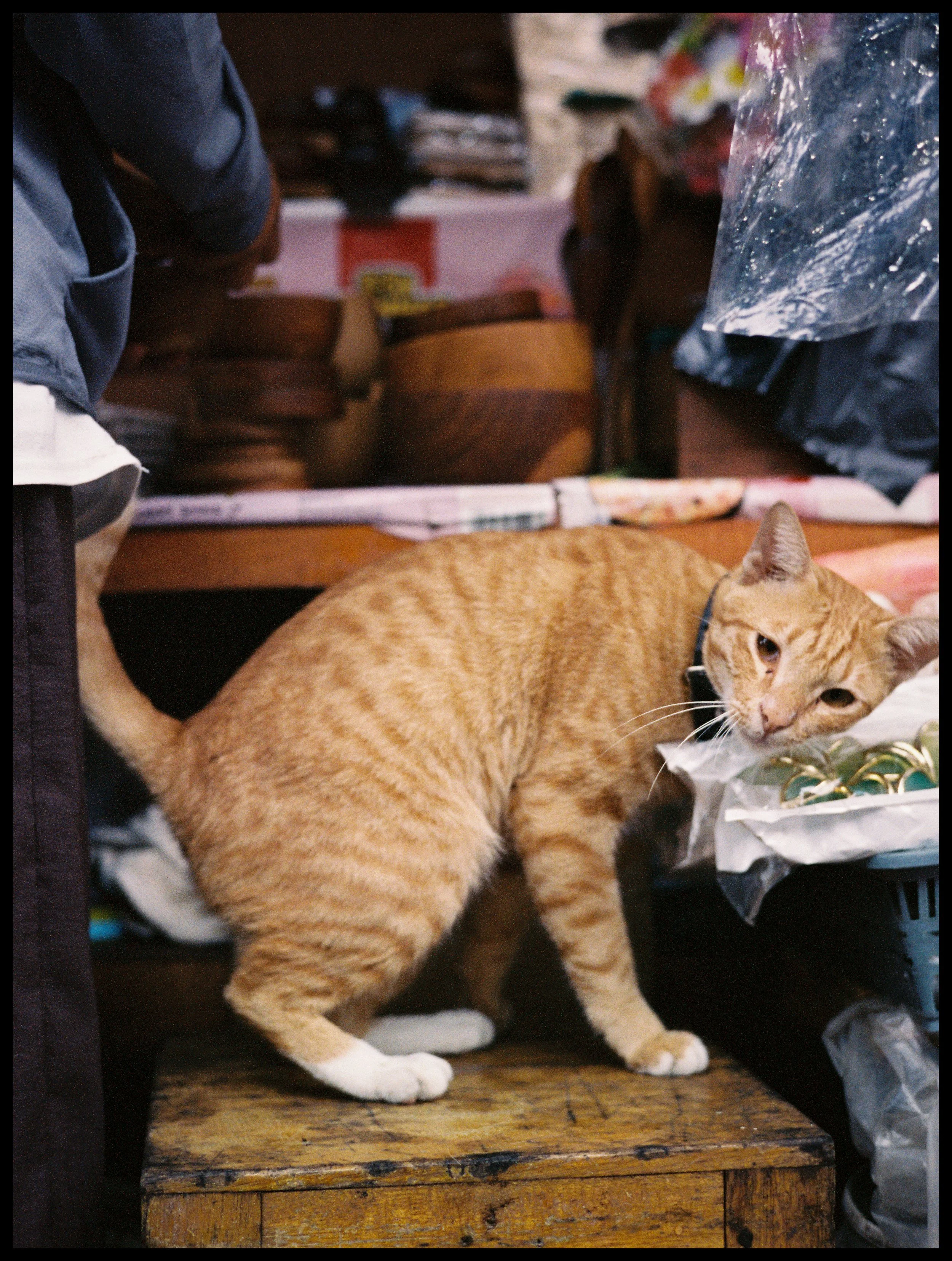
Long-tailed Macaque in Bali, shot on Leica M6 with Portra 400.
Recently I decided to test a new method of developing and scanning my negatives, which I believe I’ll continue to use as long as I can. It’s pretty simple - develop my negatives with whichever local film lab offers the cheapest processing price, and scan with a Fujilm Frontier SP3000.
I’m quite lucky that I live in Melbourne, one of, if not the best city in the world to take advantage of the resurgence of film photography. We’ve got what feels like a dozen local labs such as Hillvale Photo, Ikigai, Irohas, Walkens House of Film, GoodTime Film Lab, and Mr. Negative taken the world by storm with his custom range of filmstocks.
Finally, we have Film Never Die, who also happen to have a Fujifilm Frontier SP3000 that you can hire for $15 an hour. Given that some labs charge almost this much for high-resolution scans, this is an absolute bargain if you’re the kind of photographer who likes full creative control of their images.
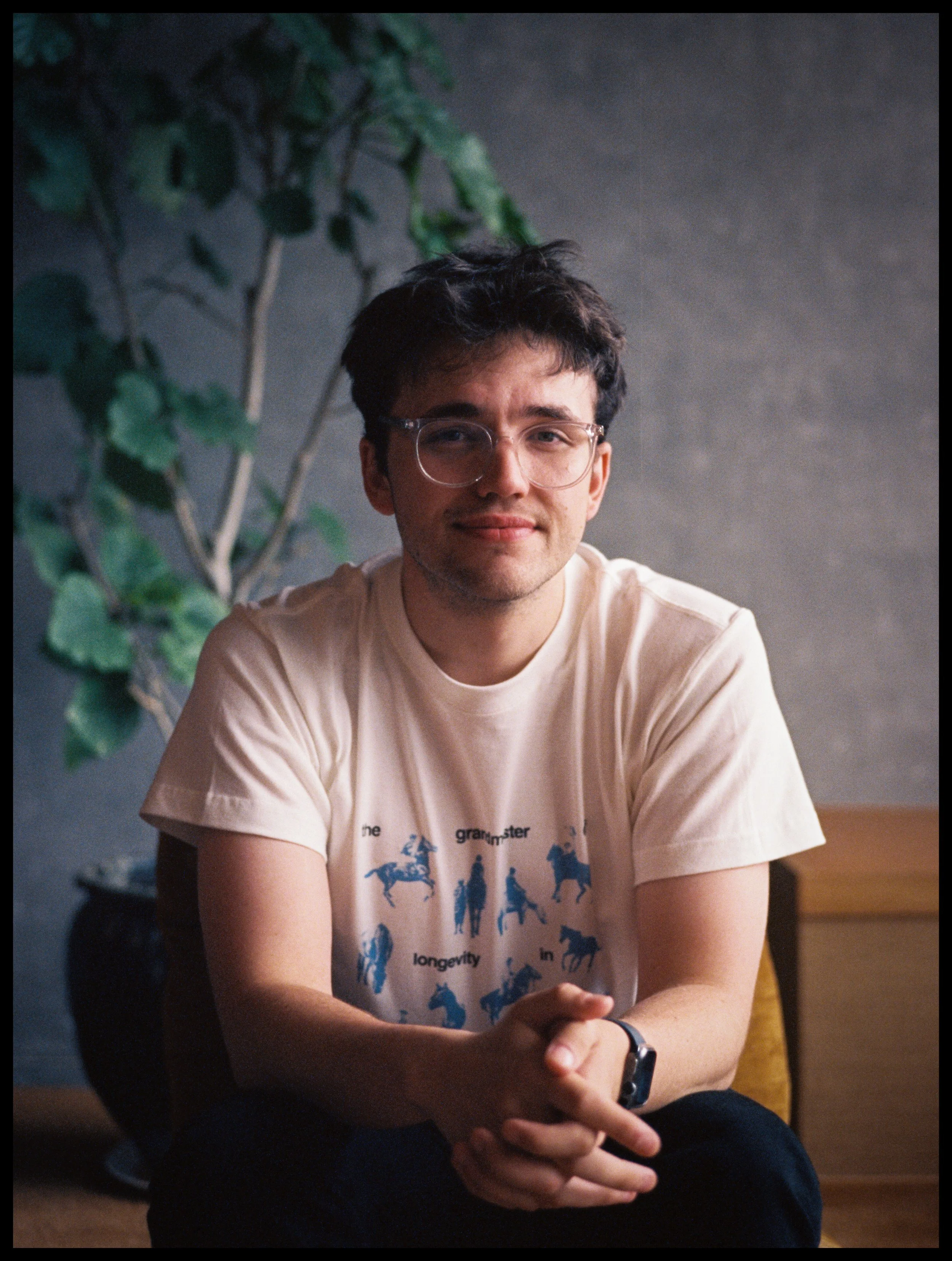
Portrait of my nephew Tony, shot on Lecia M6 with unknown Eastman Kodak film (likely Mr. Negative)
Recently I grabbed a bunch of rolls of 35mm that had been sitting around for between 6 & 12 months, had them developed at Iroha’s in the city, and hired the Frontier for a 2hr slot. It was my first time using the machine so it took some time to learn its idiosynchracies, but one I got the hang of it I could process ~4 rolls of 35mm an hour!
Aside from the cost angle, it was also extremely fun to use. Watching each new frame pop up, tweaking the colours and contrast, culling photos mentally as I went through each roll was really rewarding, and it felt like it brought back the magic of photography a little.
I also felt like I was learning rapidly. When a lab does the scanning for you and returns a folder of images, I generally find myself scanning through them all rapidly, selecting the ones I like and ignoring the off-cuts. Being able to scan them rapidly in a Frontier really lets me analyse each image more thoroughly, and learn from each one. I think you learn more from your failures that successes, and the Frontier lets me analyse the frames that didn’t work just that little bit more. Additionally because I’m on the clock, I feel like I’m more motivated to shoot better, more intentional frames so I’m not sitting in public, processing my 12th photo of Osaka Castle that was just as dull all the previous 11.